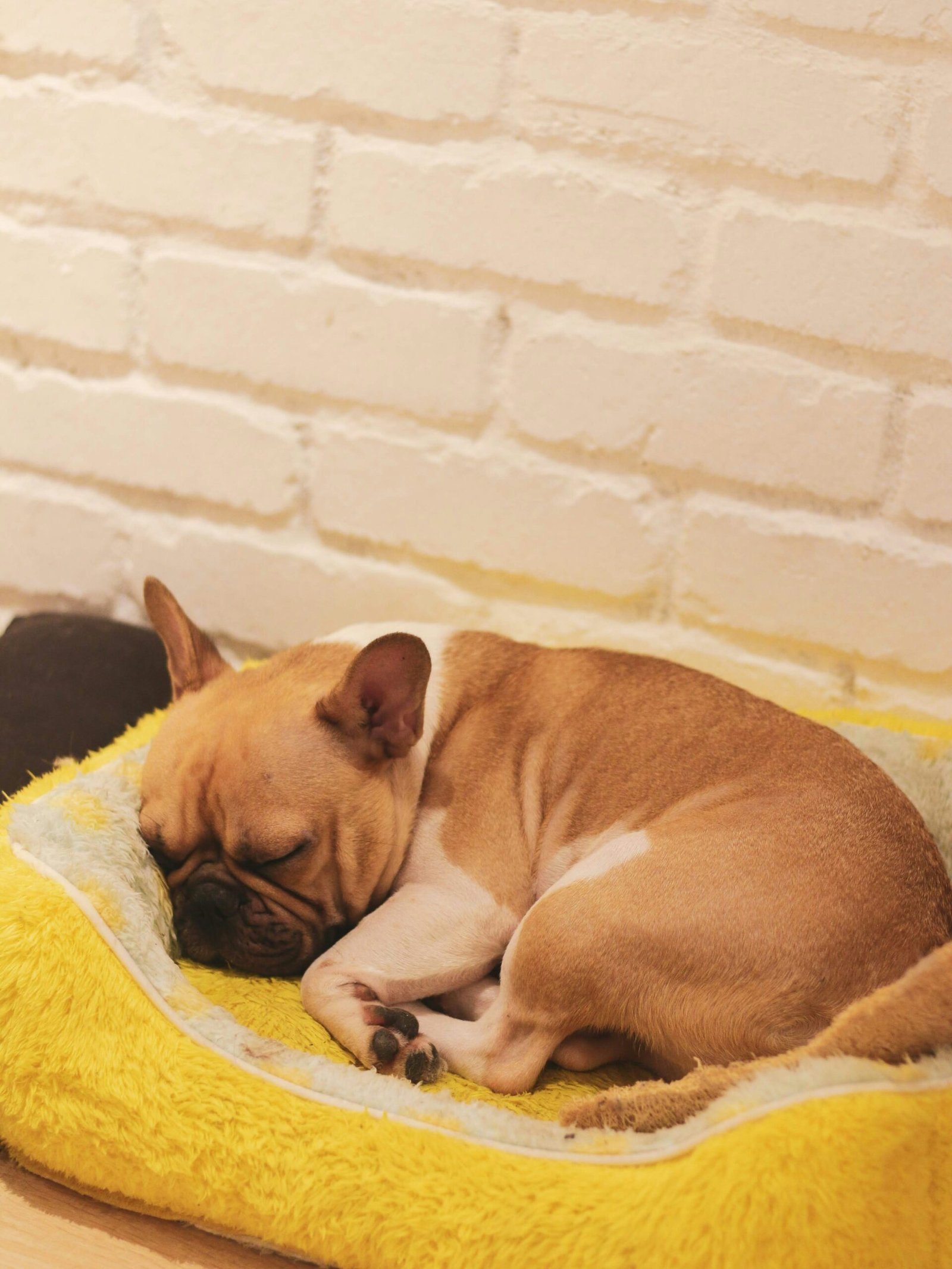
How Much Do French Bulldogs Sleep? 5 Warning Signs
French Bulldogs are known for their adorable squishy faces, affectionate personalities, and love of lounging around. If you own a Frenchie, you may often wonder: How much do French Bulldogs sleep, and should you be worried when your furry friend spends most of the day napping?
The good news is that French Bulldogs naturally enjoy plenty of rest. Most healthy adult Frenchies sleep approximately 12 to 14 hours a day, although individual sleep needs can vary. Puppies and senior dogs may need considerably more rest.
However, there is a difference between normal sleeping habits and unusual tiredness. In this guide, we will explain French Bulldog sleep hours, common reasons they sleep so much, and important warning signs every owner should recognize.
1. How Much Do French Bulldogs Sleep at Different Ages?
Your Frenchie’s age plays an important role in determining how much sleep they need.
Here is a general guide:
- French Bulldog Puppies (0–12 months): Growing puppies need plenty of rest. They may sleep around 18–20 hours daily, including frequent naps between meals, playtime, and training.
- Adult French Bulldogs (1–7 years): Most adult Frenchies sleep approximately 12–14 hours throughout the day and night.
- Senior French Bulldogs (7+ years): Older dogs may sleep 14–18 hours because of age-related changes, reduced activity, and other individual health factors.
These are general estimates rather than strict medical limits. Your dog’s activity level, environment, and health also influence sleep patterns.
2. Why Do French Bulldogs Have Such Long Sleeping Habits?
French Bulldogs are companion dogs rather than high-endurance working breeds. They generally enjoy relaxing indoors, spending time with their owners, and taking comfortable daytime naps.
Their compact bodies and relatively limited exercise tolerance can also mean that shorter play sessions are enough to tire them out.
If your Frenchie is active and playful when awake, eating normally, and behaving as usual, longer naps are generally not a reason to panic.
3. Flat-Faced Breathing and French Bulldog Sleep
French Bulldogs belong to a group of dogs known as brachycephalic breeds. Their short skull shape and narrowed airways can make breathing more difficult.
Some Frenchies experience brachycephalic obstructive airway syndrome (BOAS), which can affect breathing, exercise tolerance, and sleep quality.
Watch for symptoms such as:
- Loud or excessive snoring.
- Noisy breathing while awake.
- Difficulty exercising.
- Frequent waking during sleep.
- Struggling to breathe after physical activity.
Occasional snoring is common in Frenchies, but breathing difficulty should never be ignored. Speak with your veterinarian if you notice these symptoms.
4. Temperature and Heat Sensitivity
French Bulldogs can struggle to regulate their body temperature, especially during hot and humid weather.
When temperatures rise, your Frenchie may become less active and spend more time resting. This is particularly important during summer.
To keep your dog comfortable:
- Provide fresh drinking water.
- Keep your Frenchie in a cool, well-ventilated room.
- Avoid strenuous exercise during hot weather.
- Take shorter walks during cooler hours.
- Never leave your Frenchie inside a parked car.
Heavy panting, excessive drooling, weakness, vomiting, or collapse can indicate heatstroke. Seek emergency veterinary care if these symptoms occur.
5. Five Warning Signs That Your Frenchie Is Sleeping Too Much
Although French Bulldogs love sleeping, sudden changes in their sleeping habits may indicate an underlying problem.
Pay attention to these five warning signs:
1. Unusual Lethargy
If your Frenchie suddenly stops playing, struggles to get up, or seems unusually weak, something may be wrong.
2. Loss of Appetite
Sleeping more than usual alongside refusing food or water deserves veterinary attention.
3. Difficult or Labored Breathing
Breathing problems are especially important in flat-faced breeds. Seek urgent veterinary help if your dog struggles to breathe.
4. Changes in Behavior
A normally playful Frenchie that suddenly becomes withdrawn, uninterested, or unusually sleepy may need a health check.
5. Signs of Pain or Discomfort
Whining, limping, difficulty standing, or avoiding movement may indicate pain or joint problems.
If your dog experiences sudden extreme lethargy, collapse, or breathing distress, seek emergency veterinary care rather than waiting.
6. How to Improve Your French Bulldog’s Sleep Quality
Creating a comfortable sleeping environment can help your Frenchie enjoy better rest.
Here are some simple tips:
- Choose a comfortable, supportive dog bed.
- Maintain a cool indoor temperature.
- Establish a consistent daily routine.
- Provide appropriate exercise without overexertion.
- Keep fresh water available.
- Schedule regular veterinary checkups.
Avoid forcing your Frenchie to exercise excessively, particularly in hot weather.
Frequently Asked Questions
Do French Bulldogs sleep all day?
Not usually. French Bulldogs take several naps throughout the day but also need time for eating, playing, walking, and interacting with their families.
Why does my Frenchie sleep so much?
Frenchies naturally enjoy resting. Age, activity levels, temperature, and individual health can all influence how much they sleep.
Should I wake up my French Bulldog?
Generally, there is no need to wake a healthy sleeping Frenchie unless necessary. Allow your dog to follow a comfortable sleep routine.
Do French Bulldog puppies sleep more than adults?
Yes. Puppies need additional rest because they are growing and developing. Their sleep patterns gradually change as they mature.
When should I worry about my French Bulldog sleeping too much?
Be concerned if excessive sleeping is sudden or accompanied by appetite loss, weakness, breathing difficulties, unusual behavior, or signs of pain. Contact your veterinarian for advice.
Final Thoughts
So, how much do French Bulldogs sleep? Most healthy adult Frenchies need approximately 12–14 hours of sleep daily, while puppies and older dogs may need considerably more.
Long naps are usually part of their normal lifestyle. However, sudden changes in sleeping habits should not be overlooked.
Pay attention to your Frenchie’s appetite, breathing, activity, and behavior. With a comfortable environment, appropriate exercise, and regular veterinary care, you can help your furry companion enjoy a healthier and happier life.
At FrenchieCareHub, we believe every Frenchie deserves the best care, comfort, and love!